Advancing Plant Science for Global Food Security
ICAR - National Institute of Plant Biotechnology (NIPB) is India's premier research institute dedicated to cutting-edge plant biotechnology, genomics, and molecular breeding for sustainable agriculture and nutritional security.
Explore Our Mission Research ProgramsAbout ICAR-NIPB
Established in 1985 as the "National Research Centre on Plant Biotechnology", the institute was elevated to the status of a National Institute in 2008. ICAR-National Institute of Plant Biotechnology (NIPB) operates under the aegis of the Indian Council of Agricultural Research (ICAR), Ministry of Agriculture and Farmers' Welfare, Government of India.
Our mandate encompasses basic and strategic research in plant biology, employing tools of biotechnology and genomics for crop improvement. We focus on developing climate-resilient, high-yielding, and nutritionally enhanced crop varieties to address the challenges of food and nutritional security for India and the world.
Our Vision
To be a global leader in plant biotechnology research, creating innovative solutions for sustainable agriculture and contributing to the prosperity of farming communities.
Our Mission
To conduct frontier research in plant genomics, molecular biology, and biotechnology for enhancing crop productivity, stress tolerance, and nutritional quality.

State-of-the-Art Research Campus
Located in the heart of New Delhi at the Pusa Campus, our institute houses advanced laboratories, high-throughput genomics facilities, controlled environment growth chambers, and a dedicated bioinformatics center.
Explore FacilitiesResearch Divisions & Programs
Our interdisciplinary research is organized into five core divisions, fostering collaboration and innovation across key areas of plant biotechnology.
Genomics & Molecular Breeding
Leveraging next-generation sequencing and genomic tools for trait discovery, marker-assisted selection, and accelerated breeding of major crops like rice, wheat, chickpea, and mustard.
Key Projects: Genome sequencing of indigenous crop varieties, developing haplotype maps for drought tolerance, CRISPR-Cas9 mediated genome editing for disease resistance.
Stress Physiology & Climate Resilience
Investigating molecular mechanisms of abiotic stress tolerance (drought, heat, salinity) and developing climate-smart crop varieties through physiological genomics and transgenic approaches.
Key Projects: Engineering photosynthetic efficiency under heat stress, root architecture modulation for water-use efficiency, identifying epigenetic regulators of stress memory.
Nutritional Quality & Biofortification
Enhancing the nutritional content of food crops (iron, zinc, vitamin A, protein) through metabolic engineering and breeding to combat hidden hunger and malnutrition.
Key Projects: Biofortified high-protein maize, iron-enriched rice, low-phytate pulses for improved mineral bioavailability, manipulating carotenoid pathways.
Plant-Microbe Interactions & Biocontrol
Studying beneficial plant-microbe symbioses, pathogen resistance mechanisms, and developing biological control agents for sustainable pest and disease management.
Key Projects: Engineering broad-spectrum disease resistance using NLR genes, harnessing rhizobia for nitrogen fixation in cereals, developing RNAi-based biocontrols.
Bioinformatics & Systems Biology
Developing computational tools, databases, and integrative models to analyze large-scale omics data and understand complex plant biological systems.
Key Projects: NIPB Genomics Portal, machine learning for phenotype prediction, multi-omics integration for trait networks, cloud-based analysis pipelines for researchers.
Technology Development & Translation
Bridging the gap between lab and field through prototyping, scale-up, and partnership with seed companies and extension agencies for farmer adoption.
Key Projects: Rapid field-deployable diagnostics for plant pathogens, micropropagation protocols for endangered medicinal plants, public-private partnerships for hybrid seed technology.
Core Research Facilities
NIPB provides researchers with access to world-class infrastructure and cutting-edge technology platforms, many of which are available for collaborative use by national and international scientists.
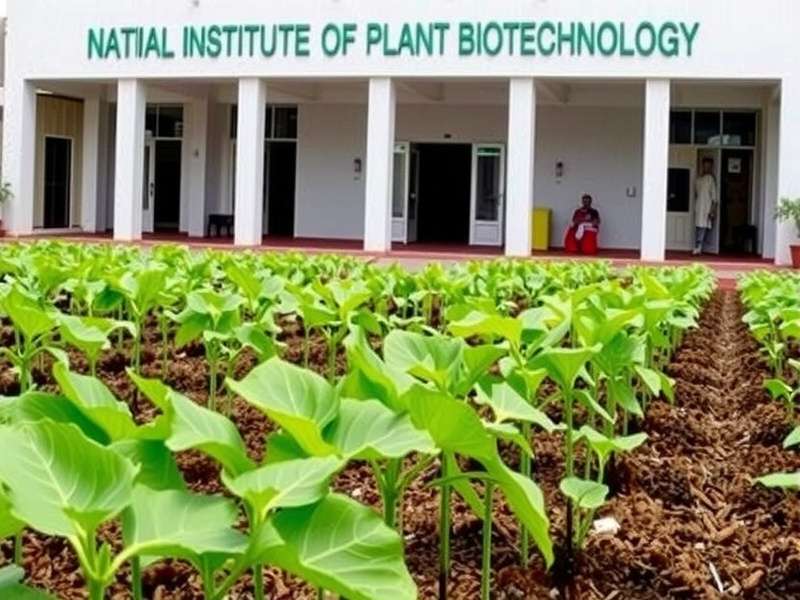
Genomics & Sequencing Center
Houses Illumina NovaSeq 6000, PacBio Sequel IIe, and Oxford Nanopore GridION systems for whole genome, transcriptome, and epigenome sequencing.

Proteomics & Metabolomics Lab
Equipped with Q-Exactive HF-X mass spectrometer, GC-MS, and HPLC for protein identification, post-translational modification analysis, and metabolite profiling.
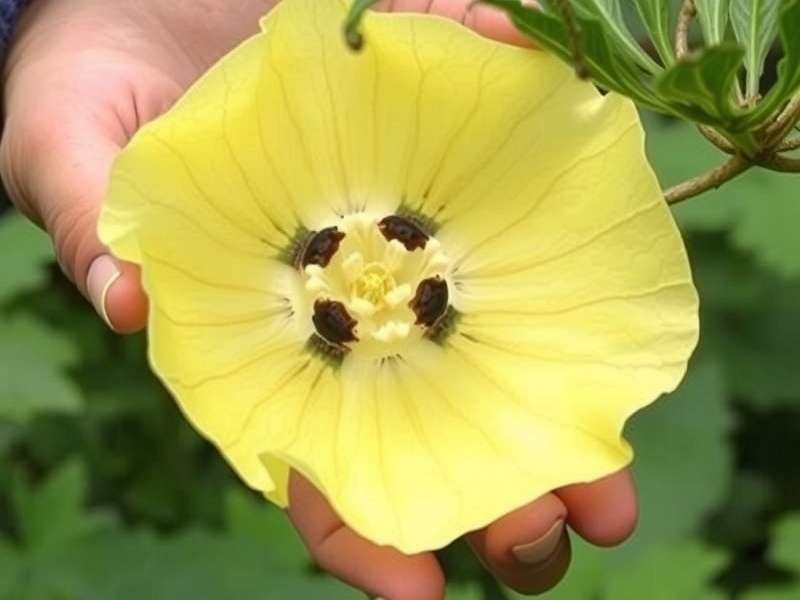
Advanced Imaging Facility
Includes laser scanning confocal microscope, scanning electron microscope (SEM), and high-content imaging system for subcellular and tissue-level analysis.
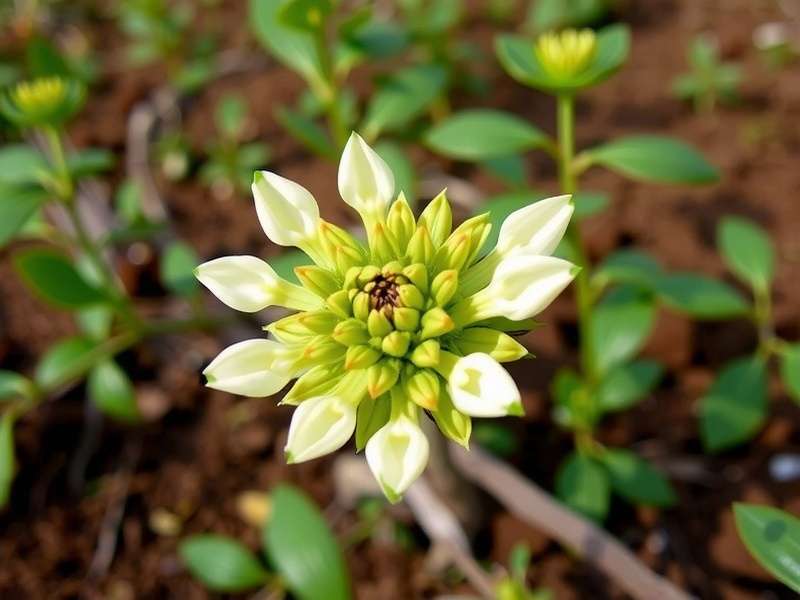
Phenotyping & Growth Facilities
High-throughput plant phenotyping platforms, walk-in growth chambers, greenhouses, and contained transgenic plant facility with biosafety Level-2 certification.
Recent Publications & Impact
Our scientists consistently publish high-impact research in prestigious international journals, contributing to the global knowledge base in plant sciences.
Genome-wide association mapping reveals novel QTLs for salinity tolerance in bread wheat
The Plant Journal | Vol. 115, Issue 3 | March 2024
Identified 12 novel genetic loci associated with sodium exclusion and tissue tolerance, providing targets for marker-assisted breeding of salt-tolerant wheat varieties.
CRISPR/Cas9-mediated editing of OsNAC14 enhances drought recovery in rice
Nature Communications | 15, 1123 | February 2024
Demonstrated that knockout of a specific NAC transcription factor leads to improved root architecture and water retention under cyclic drought stress.
A single-cell transcriptome atlas of chickpea root development reveals key regulators of nodulation
Science Advances | Vol. 10, Issue 5 | January 2024
First single-cell RNA-seq resource for chickpea, identifying cell-type-specific gene expression patterns during rhizobial symbiosis.
Metabolic engineering of the carotenoid pathway in pearl millet for provitamin A biofortification
Plant Biotechnology Journal | Vol. 22, Issue 1 | December 2023
Developed β-carotene enriched pearl millet lines with up to 15 μg/g dry weight, a significant step towards addressing vitamin A deficiency in arid regions.
Latest News & Upcoming Events
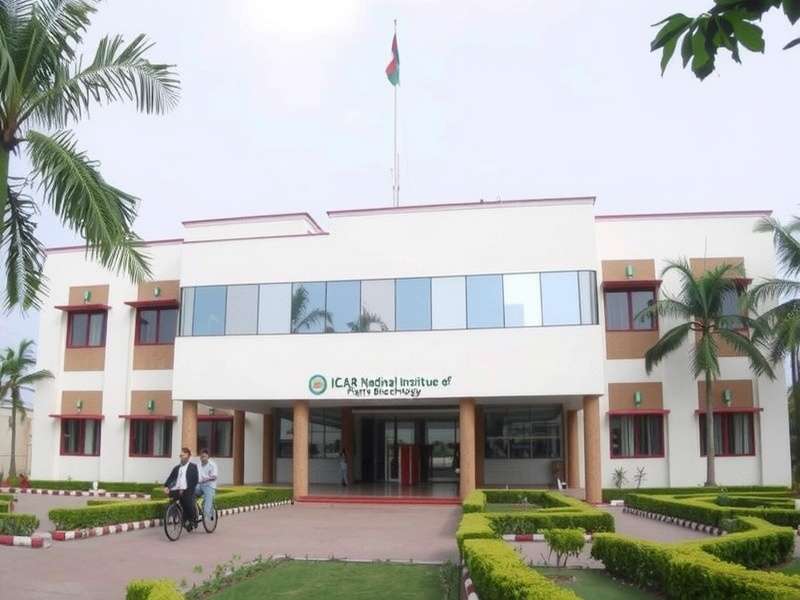
International Symposium on "Frontiers in Plant Genomics for Climate Resilience"
15-17 July 2024 | NIPB Auditorium, New Delhi
Renowned scientists from 12 countries will gather to discuss latest advances in genomics-assisted breeding, gene editing, and AI-driven phenotyping. Registration opens 1st May 2024.
Learn More & RegisterNIPB Scientist Receives NASI Young Scientist Award 2023
Dr. Priya Sharma has been honored for her groundbreaking work on epigenetic regulation of flowering time in legumes under drought conditions.
10 March 2024
MoU Signed with University of Queensland for Joint PhD Program
A new collaborative PhD program will enable student exchange and joint supervision in the area of plant-microbiome interactions.
28 February 2024
Upcoming Events
-
Apr 22Workshop on CRISPR-Cas DesignHands-on training for researchers
-
Feb 28National Science Day Seminar"AI in Agricultural Research"
-
May 15PhD Admissions Interview2024 Autumn Session
-
Jun 5Field Day: Drought-Tolerant RiceFarmer-scientist interaction
Contact Us & Visit
Get In Touch
Address
ICAR - National Institute of Plant Biotechnology
Lal Bahadur Shastri Building, Pusa Campus
New Delhi - 110012, India
Phone & Fax
+91-11-25841776 (Director)
+91-11-25841780 (Administration)
Fax: +91-11-25843984
General Inquiries: [email protected]
Research Collaboration: [email protected]
Student Admissions: [email protected]
Office Hours
Monday to Friday: 9:00 AM - 5:30 PM IST
Saturday: 9:00 AM - 1:00 PM IST
Closed on National Holidays